
Hey there, fellow marketing enthusiasts! Have you noticed how much the world is buzzing about “green” these days? It’s not just a fleeting trend anymore; it’s a fundamental shift in how businesses need to operate and connect with their audience.
From what I’ve personally observed, consumers are becoming incredibly savvy, demanding genuine sustainability from the brands they support. We’re talking about more than just a catchy eco-friendly slogan; they want to see real action, transparency, and a commitment to positive impact.
Navigating this new landscape can feel a bit overwhelming, right? But trust me, it’s also a massive opportunity to build stronger, more authentic connections and future-proof your brand.
In today’s fast-paced digital world, mastering sustainable marketing isn’t just a nice-to-have skill; it’s quickly becoming an absolute necessity for staying relevant and truly making a difference.
So, if you’re ready to transform your approach and learn the practical skills that will set you apart, then let’s dive into the fascinating world of sustainable marketing right now.
I’ve got all the essential strategies and real-world tips waiting for you below!
Understanding the Authentic Green Consumer Mindset: It’s More Than Just a Trend
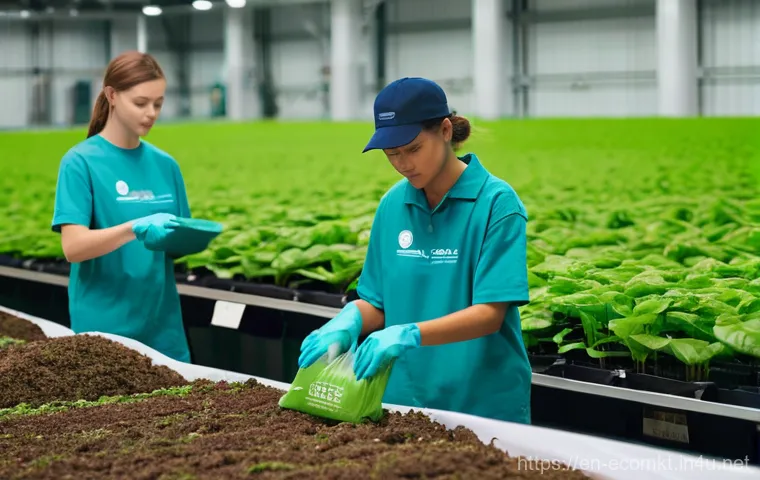
The shift towards sustainability isn’t just about ticking boxes anymore; it’s deeply ingrained in how consumers make purchasing decisions. From what I’ve personally witnessed, today’s green consumer isn’t fooled by superficial greenwashing tactics.
They’re incredibly savvy, doing their homework, and genuinely seeking brands that embody true environmental and social responsibility. It’s less about a fleeting trend and more about a profound value alignment.
People are looking for companies that don’t just talk the talk, but truly walk the walk, from their supply chain to their community engagement. This means we, as marketers, need to dig much deeper than simply slapping an “eco-friendly” label on a product.
We need to understand their motivations: are they concerned about climate change, ethical labor practices, waste reduction, or all of the above? Ignoring this nuanced perspective means missing a massive opportunity to connect on a human level.
I’ve found that the brands truly winning hearts are those that embrace transparency and show tangible efforts, not just glossy campaigns. It’s about building a relationship based on shared values, and trust me, that’s a cornerstone for lasting brand loyalty in this new era.
Beyond Buzzwords: What Drives Their Choices?
It’s tempting to think that “green” is a single, monolithic concept, but my experience tells me otherwise. What resonates with one segment of the environmentally conscious audience might not hit home with another.
Some consumers are driven by the urgency of climate action, actively seeking products with a low carbon footprint or those that support renewable energy.
Others are deeply concerned about the social aspects of sustainability, focusing on fair trade, ethical sourcing, and supporting local communities. Then there’s the waste-conscious consumer, obsessed with circular economy principles, minimal packaging, and durable goods.
Understanding these distinct drivers allows us to tailor our messages much more effectively, speaking directly to their core concerns and proving that we genuinely understand their world.
The Demand for Transparency and Action
If there’s one thing I’ve learned about today’s conscious consumer, it’s their insatiable appetite for transparency. They want to know the whole story: where ingredients come from, how products are manufactured, the labor conditions, and what happens to the product at the end of its life.
This isn’t just curiosity; it’s a demand for accountability. Brands that shy away from this level of openness often lose out to competitors who are willing to lay it all bare.
Providing clear, verifiable data, sharing impact reports, and even admitting when there’s still work to be done can build immense goodwill. I’ve seen firsthand how a brand’s willingness to be vulnerable and honest about its sustainability journey, even its challenges, can forge a much stronger bond with its audience than any perfectly polished, yet vague, marketing message.
It’s about building trust, and trust is the ultimate currency in today’s market.
Crafting Your Authentic Sustainable Brand Story: It’s All About Trust
Let’s be real: in a world saturated with “green” claims, simply saying you’re sustainable isn’t enough. Your brand story has to be more than just words; it needs to be a living, breathing testament to your values.
What I’ve discovered through years of observing successful brands is that authenticity isn’t just a buzzword – it’s the foundation upon which lasting connections are built.
Consumers are incredibly adept at sniffing out performative gestures versus genuine commitment. This means your sustainable narrative needs to be woven into the very fabric of your brand, from your mission statement to your everyday operations.
It’s not about grand, sweeping statements, but rather consistent, verifiable actions that reflect your dedication. Think about it: when you share a story about how your company actively reduces waste in its packaging or invests in local renewable energy projects, it resonates far more powerfully than a generic “we care about the planet” message.
This storytelling approach isn’t just good for the environment; it’s brilliant for business, fostering deep emotional connections that translate into loyalty and advocacy.
I’ve personally seen brands transform their market position by simply leaning into their authentic journey, imperfections and all, and inviting their audience along for the ride.
Unearthing Your Brand’s Eco-DNA
Before you can tell your story, you need to truly understand it. This means diving deep into your brand’s core and identifying where sustainability genuinely lives within your operations.
Are you passionate about sourcing fair-trade ingredients? Do you use recycled materials in your products? Is your manufacturing process energy-efficient?
What about your commitment to employees and community? These are the tangible elements that form your brand’s unique eco-DNA. From my perspective, trying to graft a sustainable image onto a brand where it doesn’t organically exist is a recipe for disaster.
Consumers will see right through it. Instead, focus on amplifying what you’re already doing well and identify areas where you can genuinely improve. This internal audit is critical because it gives you the genuine substance needed to craft a compelling and believable narrative.
It’s about honesty first, marketing second.
Weaving Narratives That Resonate
Once you understand your eco-DNA, the real magic begins: turning those facts into compelling narratives. This isn’t about listing statistics; it’s about sharing the human and environmental impact of your choices.
For example, instead of just saying “we use recycled plastic,” tell the story of where that plastic comes from, how it’s transformed, and the positive environmental impact of diverting it from landfills.
Introduce the people behind your sustainable initiatives, whether it’s the farmers who grow your organic cotton or the innovators who developed your compostable packaging.
I’ve found that when you infuse your brand story with personal anecdotes, challenges overcome, and the positive change you’re striving for, it creates an emotional hook that statistics alone can’t achieve.
This storytelling approach makes your commitment tangible and relatable, fostering a sense of shared purpose with your audience. Remember, people connect with stories, not just products.
Beyond the Buzzwords: Practical Steps for Eco-Conscious Marketing Campaigns
Alright, so we’ve talked about the “why” and the “what” of sustainable marketing. Now, let’s get down to the “how.” In my journey, I’ve seen countless brands struggle to translate their green intentions into concrete, impactful marketing campaigns.
It’s not enough to simply declare your commitment; you need to demonstrate it through every facet of your marketing efforts. This means scrutinizing everything from your ad creatives to your media buying strategies.
Are your marketing materials themselves sustainable? Are you partnering with eco-conscious influencers? Are your campaigns inadvertently promoting overconsumption?
These are tough questions, but answering them honestly is crucial for building genuine credibility. Trust me, I’ve been there, sifting through options and trying to find the sweet spot between effective outreach and ethical execution.
It requires a thoughtful, integrated approach where sustainability isn’t an afterthought, but a guiding principle woven into your entire campaign strategy.
It’s about making conscious choices that align with your values, ensuring that your message and your methods are in perfect harmony.
Sustainable Ad Creative and Messaging
When it comes to your actual ads and content, the key is to be authentic and avoid greenwashing at all costs. From my observations, consumers are highly skeptical of vague or exaggerated claims.
Instead, focus on specific, verifiable benefits. If your product saves water, quantify it. If your packaging is compostable, show how.
Use imagery that authentically reflects your sustainable practices, rather than generic nature shots that could be applied to any brand. I’ve found that showcasing real people, real processes, and real impact builds far more trust.
Moreover, consider the emotional tone: while urgency can be effective, campaigns that inspire hope and offer solutions often resonate more deeply than those focused solely on doom and gloom.
It’s about empowering consumers to be part of the solution, not just making them feel guilty.
Eco-Friendly Media Buying and Partnerships
Your message might be perfectly green, but what about the channels you use to deliver it? This is an often-overlooked area where sustainable marketing can truly shine.
I’ve started asking myself: are the platforms I’m advertising on aligned with my values? Are there opportunities to partner with media outlets, influencers, or content creators who genuinely champion sustainability?
For instance, exploring ad placements on eco-focused websites or collaborating with influencers who live genuinely sustainable lifestyles can lend immense credibility to your campaigns.
It’s also worth considering the environmental footprint of digital advertising itself – server energy consumption, for example. While this is a complex area, being aware of it and looking for greener hosting solutions or platforms can be a step in the right direction.
It’s about being holistic in your approach, thinking about the entire ecosystem of your campaign. Here’s a quick overview of some practical sustainable marketing tactics:
| Marketing Area | Sustainable Tactic | Why It Matters |
|---|---|---|
| Product Messaging | Highlight specific, verifiable eco-benefits (e.g., “100% recycled packaging,” “reduces water usage by 50%”). | Builds trust, avoids greenwashing, and educates consumers on real impact. |
| Packaging | Use compostable, recyclable, or minimal packaging; offer refill options. | Directly reduces waste and aligns with circular economy principles. |
| Supply Chain | Communicate fair trade, ethical sourcing, and local production efforts. | Addresses social responsibility and supports equitable practices. |
| Digital Content | Create educational blogs, videos, and social posts about sustainability. | Positions your brand as a thought leader and empowers consumers with knowledge. |
| Partnerships | Collaborate with eco-influencers, non-profits, or sustainable media. | Expands reach to a relevant audience and enhances credibility through association. |
| Events | Host or participate in eco-friendly events, use recycled materials, minimize waste. | Demonstrates commitment in action and provides experiential learning for consumers. |
Measuring Your Impact: How to Showcase Your Green Efforts (and Avoid Greenwashing)
Let’s face it, anyone can *say* they’re sustainable, but proving it? That’s where the rubber meets the road. In my experience, a truly successful sustainable marketing strategy doesn’t just talk the talk; it walks the walk and then meticulously tracks those steps.
Consumers, bless their discerning hearts, are more skeptical than ever, and rightly so. They’ve been burned by empty promises and vague claims too many times.
This means we, as marketers, have a critical responsibility to not only implement genuinely sustainable practices but also to effectively communicate their measurable impact.
It’s about moving beyond anecdotal evidence and presenting concrete data that validates your claims. I’ve seen firsthand how a brand’s commitment to transparent reporting can build an unshakeable foundation of trust with its audience, transforming skeptics into loyal advocates.
However, this also means being incredibly careful to avoid the dreaded “greenwashing” – the practice of making misleading environmental claims. That can backfire spectacularly, eroding trust faster than anything else.
Setting Clear, Quantifiable Goals
Before you can measure your impact, you need to define what success looks like. This isn’t just about vague aspirations; it’s about setting clear, quantifiable sustainability goals.
Are you aiming to reduce your carbon footprint by a specific percentage? Do you want to divert a certain amount of waste from landfills? Are you committed to sourcing X% of your materials from recycled content?
I’ve found that without these measurable targets, it’s impossible to track progress and, consequently, impossible to genuinely showcase your efforts. These goals provide a roadmap for your internal teams and a transparent benchmark for your external communications.
It’s like any other business objective: you wouldn’t launch a marketing campaign without ROI targets, so why would you approach sustainability any differently?
Transparent Reporting and Communication
Once you have your goals and you’re actively working towards them, the next crucial step is transparently reporting your progress. This is where many brands falter, either providing too little information or overly polished, vague statements.
From what I’ve observed, the most effective approach is to create accessible impact reports that clearly outline your goals, your achievements, and even your challenges.
Share the data, tell the stories behind the numbers, and explain what those numbers actually mean for the planet and its people. This could be through annual sustainability reports, dedicated sections on your website, or even regular updates on your social media channels.
I’ve personally seen brands gain immense credibility by being open about both their successes and their ongoing struggles. It humanizes their journey and reinforces the idea that sustainability is a continuous process, not a destination.
Leveraging Digital Channels for Sustainable Messaging: Smart and Savvy
In today’s interconnected world, digital channels aren’t just a convenient way to reach your audience; they’re indispensable for sharing your sustainable message far and wide.
From what I’ve observed, mastering these platforms isn’t just about posting pretty pictures; it’s about strategically deploying content that educates, inspires, and builds community around your green initiatives.
Think about it – every tweet, every Instagram story, every blog post is an opportunity to amplify your brand’s commitment and engage with a global audience hungry for responsible brands.
However, it’s not a one-size-fits-all approach. Each platform has its nuances, its unique audience, and its specific content formats that lend themselves best to sustainable storytelling.
I’ve personally experimented with various strategies, and the brands that truly excel are those that tailor their content to each channel, ensuring their message is not only heard but deeply resonates with the platform’s user base.
It’s about being smart, savvy, and authentic in your digital presence, transforming your online footprint into a force for good.
Engaging Content for Each Platform
When it comes to digital, variety is key. On Instagram, for instance, visually stunning infographics or short, compelling videos showcasing your sustainable practices can grab attention.
For LinkedIn, thought leadership articles discussing your supply chain innovations or ethical business practices can position your brand as an industry leader.
TikTok, surprisingly, can be a fantastic place for quick, educational snippets about sustainable living or behind-the-scenes looks at your eco-friendly production.
I’ve seen brands successfully use YouTube for longer-form documentaries about their impact or Q&A sessions with sustainability experts. The trick is to understand what kind of content thrives on each platform and then adapt your sustainable message accordingly.
It’s about meeting your audience where they are and speaking their language, whether that’s through a quick visual story or an in-depth analytical piece.
Building a Sustainable Digital Community
Beyond just broadcasting your message, digital channels offer an unparalleled opportunity to build a community around your sustainable vision. This isn’t a passive endeavor; it requires active engagement.
Respond to comments, answer questions, and encourage user-generated content that highlights how your audience is embracing sustainability in their own lives.
I’ve seen brands host live Q&A sessions about their eco-initiatives, create dedicated forums for customers to share tips, or even launch challenges that encourage sustainable actions.
The goal is to transform your followers into active participants and advocates for your brand’s mission. When your audience feels like they’re part of something bigger, something meaningful, they become your most powerful evangelists.
It’s about fostering a sense of shared purpose and collective impact, making your digital space a hub for positive change.
Building a Community Around Your Green Initiatives: Engagement is Key
If there’s one thing I’ve learned about the power of sustainable marketing, it’s that it truly flourishes when you move beyond simply selling a product and start building a passionate community around your shared values.
This isn’t just about having followers; it’s about fostering genuine engagement, creating a space where people feel connected to your mission and to each other.
I’ve seen brands achieve incredible things when they empower their audience to be part of their sustainability journey, transforming passive consumers into active advocates.
It’s a powerful dynamic: when people feel heard, valued, and genuinely connected to a cause through a brand, their loyalty transcends mere transactions.
This kind of deep engagement not only solidifies your brand’s position but also creates a ripple effect, spreading your message far more organically and authentically than any paid ad ever could.
Trust me, investing in community building is one of the most rewarding and impactful sustainable marketing strategies out there.
Empowering Your Advocates and Collaborators
A thriving sustainable community isn’t just about listening to your audience; it’s about empowering them to become active participants and even collaborators.
Have you ever considered inviting customers to help shape your next sustainable product design, or asking for their input on your environmental initiatives?
I’ve seen brands launch successful co-creation projects, where customers directly contribute ideas for reducing waste or improving ethical sourcing. Furthermore, identifying and nurturing brand advocates – those individuals who genuinely love your sustainable mission – can unlock incredible organic reach.
Provide them with exclusive content, early access to new eco-friendly products, or opportunities to share their stories. When your community feels like they have a voice and a role to play, their enthusiasm becomes your most potent marketing tool.
It’s about fostering a sense of shared ownership in the pursuit of a greener future.
Offline Engagement and Local Impact
While digital channels are fantastic for broad reach, don’t underestimate the power of local, offline engagement in building a sustainable community. From my perspective, nothing beats real-world connections for deepening trust and fostering a sense of belonging.
Could your brand sponsor a local beach clean-up, host workshops on sustainable living, or partner with local environmental non-profits? I’ve seen small businesses build immense goodwill and loyal customer bases by actively participating in their local communities, demonstrating their commitment to tangible, on-the-ground impact.
These initiatives not only generate positive PR but also provide invaluable opportunities for direct interaction with your audience, allowing them to see your values in action.
It’s about proving that your commitment extends beyond the screen and into the real world where it truly matters.
The Future is Green: Adapting Your Strategy for Long-Term Success
As we look ahead, one thing is abundantly clear: sustainable marketing isn’t a temporary stop on the marketing roadmap; it’s the main highway to long-term brand success and relevance.
The landscape is constantly evolving, with new environmental challenges emerging and consumer expectations continuously rising. From my vantage point, the brands that will not only survive but truly thrive are those that view sustainability not as a static goal, but as an ongoing journey of adaptation and innovation.
It’s about being proactive, staying informed, and constantly seeking new ways to integrate eco-conscious practices into every aspect of your business and marketing.
I’ve personally seen how companies that embrace this forward-thinking approach build resilience, attract top talent, and cultivate a fiercely loyal customer base that stands by them through thick and thin.
The future demands more than just incremental changes; it demands a fundamental shift in mindset, positioning your brand as a leader in creating a more sustainable world.
Staying Ahead of Evolving Consumer Expectations
One of the biggest challenges, and opportunities, in sustainable marketing is keeping pace with ever-evolving consumer expectations. What was considered “green” five years ago might be the baseline expectation today.
Consumers are becoming more educated, more demanding, and more critical of superficial efforts. This means marketers need to be constantly listening, researching, and anticipating future trends.
Are they looking for products with a regenerative impact? Are they demanding full supply chain traceability? Are they interested in circular business models?
I’ve found that regularly surveying your audience, monitoring social listening channels, and staying plugged into industry reports are crucial for understanding these shifts.
The goal isn’t just to react to current demands, but to proactively innovate and lead, positioning your brand at the forefront of the sustainability movement.
Innovation and Continuous Improvement
True sustainable marketing is inextricably linked to continuous innovation and improvement. It’s about constantly asking, “How can we do better?” This applies not only to your products and operations but also to your marketing strategies.
Are there new, more sustainable advertising technologies you can explore? Can you find greener ways to produce your marketing materials? Are there more effective ways to communicate your impact?
I’ve observed that the most successful sustainable brands are those that foster a culture of constant learning and experimentation. They’re not afraid to try new things, even if it means iterating and refining along the way.
This commitment to ongoing improvement demonstrates genuine dedication to your sustainable mission, reinforcing your credibility and inspiring confidence in your audience.
Remember, sustainability isn’t a destination; it’s a dynamic, ever-evolving process that rewards diligence and creative thinking.
Wrapping Things Up
Well, friends, we’ve covered quite a bit, haven’t we? Diving deep into the authentic green consumer mindset and figuring out how to genuinely connect with them through sustainable marketing is more than just a strategy; it’s truly a journey of understanding and building trust. My biggest takeaway from all of this is that authenticity isn’t just a nice-to-have, it’s the absolute bedrock of success in today’s conscientious marketplace. It’s about showing, not just telling, and inviting your audience to be a part of your sustainable story. When you do that, you’re not just selling products; you’re cultivating a community that believes in your vision, and that, my dears, is priceless.
From the first time I saw a brand truly embrace transparency to witnessing the incredible loyalty it fostered, I’ve realized that the future belongs to those who genuinely commit to doing good. It’s about weaving sustainability into the very fabric of your brand, from your supply chain to your storytelling, and doing it all with a human touch that resonates deeply. Remember, consumers are smart, and they’re looking for partners in making the world a better place, not just another transaction. Let’s keep making that connection count!
Handy Insights You Won’t Want to Miss
Here are a few quick, actionable tips that I’ve found incredibly useful on this journey, whether you’re a seasoned marketer or just starting to embrace your brand’s green potential:
1. Know Your “Why”: Before anything else, clearly define your brand’s core sustainable values and mission. This isn’t just for marketing; it’s your internal compass. When your team understands and believes in your “why,” it shines through in every customer interaction, creating a genuine connection that resonates.
2. Transparency is Your Superpower: Don’t be afraid to be open about your sustainable practices, even your challenges. Share your progress, your goals, and what you’re doing to improve. Trust me, consumers appreciate honesty and a real journey far more than a perfectly polished but vague narrative. It builds an incredibly strong bond.
3. Speak to Specific Concerns: Remember that “green” isn’t monolithic. Tailor your message to address specific consumer concerns, whether it’s climate change, ethical labor, or waste reduction. When you show you understand their particular worries, your message becomes much more impactful and relevant to their lives.
4. Engage, Don’t Just Broadcast: Use your digital channels to build a community, not just to push products. Ask questions, encourage user-generated content, host Q&As, and empower your audience to be part of your sustainability story. Active engagement creates advocates, and that’s marketing magic.
5. Think Holistically and Continuously Improve: Sustainable marketing isn’t a one-and-done campaign; it’s an ongoing commitment. Look at every aspect of your brand, from product to packaging to partnerships, through a sustainable lens. Regularly reassess, innovate, and always ask how you can do better. This commitment to improvement keeps you relevant and credible in an ever-evolving landscape.
The Big Picture: What Really Matters
At the end of the day, success in the sustainable marketplace boils down to authentic connection. It’s about deeply understanding the values and motivations of the green consumer, and then demonstrating, through consistent action and transparent communication, that your brand genuinely shares those values. Forget greenwashing; the game is about building trust and proving your commitment. By weaving sustainability into the very fabric of your brand, fostering real engagement, and committing to continuous improvement, you’re not just adapting to a trend – you’re building a resilient, purpose-driven brand that truly makes a difference, both for the planet and your bottom line. It’s a win-win, and honestly, the most rewarding way to do business.
Frequently Asked Questions (FAQ) 📖
Q: What exactly does “sustainable marketing” mean in today’s fast-paced world, and how is it different from just being “eco-friendly”?
A: From what I’ve personally seen, “eco-friendly” used to be about small, often surface-level efforts, like using recycled paper for brochures or a single ‘green’ product line.
But sustainable marketing? Oh, it’s so much more! It’s a fundamental shift, a deep-seated commitment that permeates your entire business, not just your advertising.
We’re talking about genuinely integrating environmentally and socially responsible practices into every single aspect of your brand – from your supply chain and production processes to your packaging and how you communicate your values.
It’s about transparency, real accountability, and proving your positive impact to your audience. My experience tells me that consumers are incredibly smart these days; they can sniff out greenwashing a mile away.
So, sustainable marketing means actively doing good, not just saying you do. It’s about building a brand that truly makes a difference and communicates that journey authentically, making your customers feel like they’re part of something bigger.
Q: Why is sustainable marketing such a game-changer right now for businesses, and what’s in it for my brand beyond just looking good?
A: That’s a fantastic question, and honestly, this is where the rubber meets the road! What I’ve observed in the market is a massive shift in consumer priorities.
People, especially younger generations, aren’t just buying products anymore; they’re investing in brands whose values align with their own. So, for your brand, embracing sustainable marketing isn’t just about ‘looking good’ – it’s about future-proofing your business!
Think about it: when you genuinely commit to sustainability, you build incredible trust and loyalty with your audience. You differentiate yourself in a crowded market, attract top talent who want to work for a purpose-driven company, and often, you even discover innovative ways to reduce costs and increase efficiency in your operations.
I’ve seen companies absolutely thrive because they didn’t just slap a “green” label on something; they truly embedded sustainability into their DNA, and their customers responded with overwhelming support.
It’s about creating a brand narrative that truly resonates and establishes a deeper, more meaningful connection that lasts.
Q: Okay, I’m convinced! But where do I even begin to implement sustainable marketing strategies effectively without sounding like I’m just jumping on a trend?
A: I totally get that feeling! It can feel a bit overwhelming to start, but trust me, it’s entirely doable and incredibly rewarding. My advice, based on seeing many businesses make this transition, is to begin internally.
First, conduct an honest audit of your current practices. Where are you already doing well, and where can you make significant improvements? Maybe it’s sourcing, packaging, or even your internal office culture.
Second, focus on genuine action, not just words. What tangible steps can your brand take right now to reduce its footprint or contribute positively to society?
Even small, consistent steps can build momentum. Third, and this is crucial for avoiding the “trend-jumper” label, be transparent about your journey. Share your goals, your challenges, and your successes with your audience.
People appreciate honesty and progress far more than a perfect, but unrealistic, image. Use storytelling to share why this matters to your brand and how you’re making it happen.
When you lead with authentic commitment and communicate your efforts openly, you won’t just be jumping on a trend; you’ll be leading the charge and inviting your community to join you on a meaningful mission.