
In today’s world, where climate concerns shape consumer choices, embracing eco-friendly marketing isn’t just a trend—it’s a necessity. More brands are discovering that sustainability resonates deeply with audiences, driving loyalty and trust like never before.

If you’ve ever wondered how to align your business values with green initiatives without losing authenticity, you’re in the right place. This guide will walk you through practical steps to build a sustainable brand that stands out in a crowded market.
Stick around as we explore strategies that not only boost your impact but also connect meaningfully with conscious consumers. Let’s dive into mastering eco-friendly marketing for real, lasting success.
Crafting a Genuine Green Brand Identity
Understanding What Sustainability Means for Your Business
Sustainability isn’t a one-size-fits-all concept. When I first started exploring eco-friendly marketing, I realized that the term carries different meanings depending on the industry and target audience.
For some, it means reducing plastic waste; for others, it’s about sourcing materials ethically or cutting down on carbon emissions. The key is to identify what sustainability looks like for your brand’s core values and operations.
This ensures your efforts don’t come off as performative or superficial but reflect a real commitment that customers can trust. I found that involving your team in defining these goals helps build authenticity from the inside out.
Plus, it creates a shared vision that makes communicating your green mission much easier and more sincere.
Communicating Your Commitment Without Overpromising
One of the trickiest parts I’ve faced is striking the right balance between promoting eco-friendly initiatives and avoiding greenwashing accusations. It’s tempting to highlight every small eco-action, but customers today are savvy—they can spot exaggerations right away.
Instead, I learned to focus on transparency and honesty. For example, rather than claiming “100% sustainable” if that’s not fully true, share your progress openly and acknowledge areas where you’re still improving.
This approach builds trust and invites your audience to join you on the journey, which is far more engaging and sustainable in the long run.
Building Visual and Verbal Brand Elements That Reflect Eco Values
Your brand’s look and tone can make a huge difference in conveying your eco-friendly stance. When revamping my own branding, I leaned into earthy colors, natural textures, and clean, minimalist design to visually express simplicity and sustainability.
On the communication side, I switched to a conversational, down-to-earth tone that avoids jargon and feels approachable. This combination helps potential customers immediately sense that your brand cares about the environment without sounding preachy.
Remember, consistency is key—every touchpoint, from packaging to social media captions, should echo your green message clearly and authentically.
Leveraging Eco-Friendly Product Development
Choosing Materials That Make a Real Difference
When I started rethinking product development through an eco-friendly lens, the first challenge was finding materials that aligned with my sustainability goals but didn’t sacrifice quality or cost-efficiency.
After some trial and error, I found that biodegradable, recycled, or upcycled materials often offer a powerful story that resonates with customers. What I’ve noticed is that people appreciate when brands explain why a particular material is better for the planet and how it supports circular economy principles.
It’s not just about the product itself but the story behind it that creates emotional connection and loyalty.
Designing for Longevity and Reusability
Sustainability is about reducing waste, and one of the best ways to do that is by designing products that last longer and can be reused or repurposed.
In my experience, focusing on durability and modular designs has been a game changer. For example, offering refillable packaging or accessories that can be swapped out instead of discarded not only cuts down on landfill but also encourages repeat purchases.
Customers often respond positively to brands that give them tools to participate actively in reducing environmental impact, making them feel empowered rather than guilty consumers.
Incorporating Lifecycle Assessments to Track Impact
A practical step I recommend is conducting lifecycle assessments to understand the full environmental impact of your products from creation to disposal.
This can be daunting initially, but it’s an invaluable tool for identifying hotspots where improvements can be made. By measuring factors like carbon footprint, water use, and waste generation, you can prioritize changes that yield the biggest benefits.
Sharing these insights with your audience can also elevate your credibility, showing that your eco-friendly claims are backed by data, not just good intentions.
Engaging Customers Through Authentic Storytelling
Sharing Your Journey, Not Just Your Achievements
One of the most powerful ways I’ve connected with customers is by sharing the behind-the-scenes story of my brand’s sustainability efforts. People don’t just want to hear about finished products or certifications—they want to see the real work, the challenges, and even the failures.
When I openly talk about the steps we’ve taken, the lessons learned, and ongoing goals, it creates a narrative that customers can relate to and support emotionally.
This transparency turns passive buyers into active advocates who feel personally invested in your mission.
Highlighting Real People and Communities
Putting a spotlight on the people behind your sustainable initiatives makes your story more relatable and trustworthy. Whether it’s a local supplier using traditional eco-friendly methods or a team member championing waste reduction, personal stories humanize your brand and show the tangible impact of your values.
In my campaigns, featuring real voices and faces has made a noticeable difference in engagement and trust-building. Consumers today want brands to be socially responsible on multiple levels, so telling these stories authentically can deepen connections significantly.
Using Visual Content to Amplify Your Message
I’ve found that visual storytelling—through videos, photos, and infographics—is incredibly effective for eco-friendly marketing. Showing your sustainable practices in action, such as sourcing raw materials or recycling processes, brings your message to life far better than words alone.
Plus, visuals are more likely to be shared on social media, expanding your reach organically. Investing in quality imagery that reflects your green ethos can create an emotional resonance that encourages customers to not only buy but also advocate for your brand.
Optimizing Digital Channels for Green Marketing Success
Crafting SEO Strategies Around Sustainability Keywords
Incorporating eco-friendly keywords into your SEO strategy has been a subtle yet impactful way to attract conscious consumers. Instead of generic terms, I focused on long-tail phrases that reflect specific sustainable practices or certifications relevant to my products.
This targeted approach not only drives qualified traffic but also positions the brand as an authority in the eco space. Tools like Google Keyword Planner and SEMrush helped me uncover trending search terms that aligned with my messaging, which made content creation both efficient and effective.
Utilizing Social Media to Build Community and Accountability
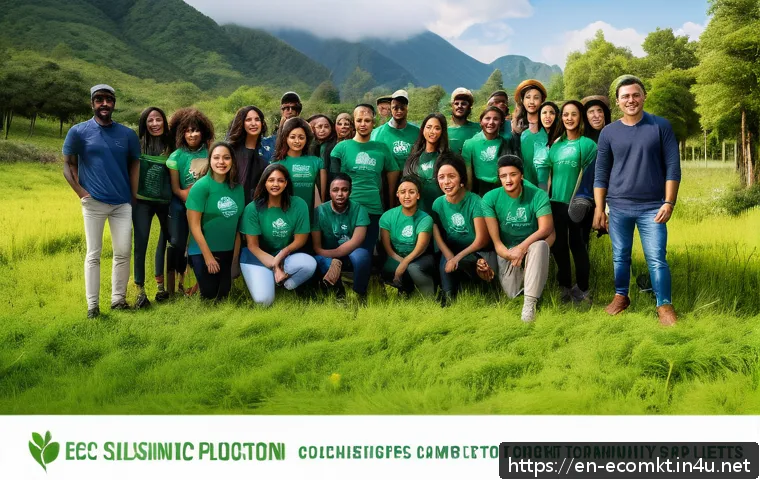
Social media is a fantastic platform for eco-friendly brands to engage their audience regularly and foster a sense of community. I noticed that posting behind-the-scenes content, sustainability tips, and user-generated content encourages followers to participate in conversations and share their own green habits.
This two-way communication boosts loyalty and keeps your brand top of mind. Additionally, using social media to announce milestones or new eco-initiatives adds a layer of accountability that customers appreciate, reinforcing your commitment.
Measuring Impact with Analytics and Feedback Loops
It’s essential to track how your eco-friendly marketing efforts perform so you can adjust and improve. I use analytics tools to monitor website traffic, engagement rates, and conversion paths tied to sustainability content.
More importantly, I solicit direct feedback from customers through surveys and social listening to understand their perceptions and expectations. This ongoing feedback loop helps refine messaging, identify new opportunities, and ensures that your green marketing resonates authentically with your audience.
Building Partnerships That Amplify Your Green Mission
Collaborating with Environmental Organizations
Partnering with credible environmental nonprofits or advocacy groups has been a powerful way to strengthen my brand’s sustainability credentials. These collaborations provide access to expert knowledge, increase transparency, and expand reach through joint campaigns.
Customers tend to trust brands that align with well-known organizations because it signals genuine commitment beyond profit. I’ve seen partnerships boost both brand awareness and sales, especially when the collaboration involves tangible projects like tree planting or ocean cleanups.
Engaging Local Communities for Grassroots Impact
Working with local groups and communities brings an authentic dimension to your eco-friendly marketing. It allows your brand to contribute to meaningful change on a smaller scale, which can then ripple outwards.
For example, sponsoring local recycling drives or educational workshops not only supports your values but also creates positive word-of-mouth within your market.
I found that these grassroots initiatives often lead to loyal customer bases who appreciate seeing real-world impact close to home.
Incorporating Supplier and Vendor Sustainability Standards
Ensuring that your entire supply chain upholds environmental standards is critical for maintaining brand integrity. When I started requiring sustainability certifications or audits from suppliers, it added an extra layer of accountability and consistency to my eco efforts.
This also prevents potential reputational risks associated with partners who don’t share your values. Plus, many suppliers are eager to innovate and improve their practices when motivated by client demand, making this a win-win for sustainability.
Tracking and Reporting Sustainability Progress Transparently
Setting Clear, Measurable Goals
I’ve learned that vague promises don’t inspire confidence. Setting specific, measurable sustainability goals—like reducing carbon emissions by a certain percentage or achieving zero waste in packaging—provides a clear roadmap for your brand and customers.
These goals should be ambitious yet achievable, and revisited regularly to track progress. Sharing these targets publicly demonstrates accountability and invites customers to celebrate milestones with you, reinforcing trust.
Creating Annual Sustainability Reports
Publishing an annual sustainability report has been one of the most effective ways to communicate progress and challenges. These reports offer a comprehensive look at your environmental impact, initiatives, and future plans.
I make sure mine are easy to read, with visuals and straightforward language that anyone can understand. Transparency like this differentiates your brand and builds long-term credibility, especially among more discerning consumers and stakeholders.
Encouraging Customer Participation in Reporting
An innovative tactic I tried was inviting customers to contribute feedback and ideas for improving sustainability efforts. This could be through surveys, social media polls, or even community forums.
Involving your audience in the reporting process not only makes them feel valued but can also uncover insights that internal teams might miss. It’s a collaborative approach that strengthens your brand’s connection with its community and enriches your sustainability journey.
| Key Elements | Best Practices | Benefits |
|---|---|---|
| Brand Identity | Define authentic sustainability goals; use honest communication; consistent visual and verbal messaging | Builds trust; differentiates brand; attracts conscious consumers |
| Product Development | Use eco materials; design for reuse; lifecycle assessment | Reduces waste; enhances product value; improves environmental impact |
| Customer Engagement | Share genuine stories; highlight real people; use strong visuals | Deepens emotional connection; increases loyalty; expands reach |
| Digital Marketing | SEO with sustainability keywords; active social media; measure impact | Drives qualified traffic; builds community; optimizes marketing efforts |
| Partnerships | Collaborate with NGOs; engage local communities; enforce supplier standards | Enhances credibility; creates grassroots impact; ensures supply chain integrity |
| Reporting | Set measurable goals; publish reports; involve customers | Ensures accountability; builds transparency; fosters customer trust |
Closing Thoughts
Building a genuine green brand requires more than just buzzwords; it demands authentic commitment and transparent communication. By aligning your values with sustainable practices and involving your community, you create lasting trust and meaningful impact. Remember, sustainability is a journey, not a destination, and sharing that story openly invites others to join you along the way.
Helpful Information to Keep in Mind
1. Define what sustainability truly means for your unique brand and industry before taking action.
2. Be honest about your progress and avoid overstating your eco-friendly claims to maintain credibility.
3. Use thoughtful design and storytelling to connect emotionally with your audience and build loyalty.
4. Leverage targeted SEO and social media strategies to reach and engage conscious consumers effectively.
5. Establish measurable goals and transparent reporting to demonstrate accountability and inspire trust.
Key Takeaways
Authenticity is the foundation of a successful green brand identity—set clear sustainability goals that reflect your true values. Communicate openly about your challenges and achievements to build trust and avoid skepticism. Design products with longevity and eco-friendly materials to reduce environmental impact meaningfully. Engage your customers through relatable stories and visuals that highlight real people and efforts. Finally, use digital tools and partnerships wisely to expand your reach and ensure your sustainability claims are backed by transparent data and collaborative action.
Frequently Asked Questions (FAQ) 📖
Q: How can small businesses implement eco-friendly marketing without a big budget?
A: Small businesses can start by focusing on authentic storytelling that highlights their genuine commitment to sustainability. Simple steps like using recycled packaging, sharing behind-the-scenes content about eco-friendly practices, or partnering with local environmental initiatives can make a significant impact without heavy spending.
I’ve seen firsthand that customers appreciate transparency and small, consistent efforts, which often lead to stronger brand loyalty than flashy campaigns.
Q: How do I ensure my green marketing doesn’t come across as “greenwashing”?
A: The key is honesty and transparency. Avoid making exaggerated claims and back up your statements with verifiable actions or certifications. From my experience, consumers are savvy and can quickly spot when brands exaggerate their eco-credentials.
Share measurable goals, progress updates, and even challenges you face along the way. This openness builds trust and shows that your commitment is real, not just a marketing ploy.
Q: What are some effective ways to connect with eco-conscious consumers?
A: Engage your audience by creating meaningful conversations rather than just pushing products. For example, hosting community clean-up events, sharing educational content about sustainability, or featuring stories of how your product reduces environmental impact helps build a genuine connection.
When I tried this approach with my own brand, it not only boosted engagement but also created a loyal community that felt personally invested in the mission.