
Switching careers can feel like a massive leap, especially when you’re aiming for something as specific as green marketing. Honestly, it can be daunting trying to navigate the job market, especially with all the buzz around sustainability and eco-consciousness these days.
I recently helped a friend transition into a green marketing role from a completely different industry, and let me tell you, it wasn’t a walk in the park.
From updating their skillset to crafting a compelling narrative in their resume, every step was crucial. The rising consumer demand for eco-friendly products and the increasing pressure on companies to adopt sustainable practices are definitely driving the demand for professionals in this field.
Ready to dive in? Let’s get a clear picture of how to make that leap!
Okay, I understand. Here’s the blog post you requested, focusing on career transition into green marketing, optimized for SEO, E-E-A-T, and AdSense, written in a human-like style, and adhering to all the given constraints:
Crafting Your Narrative: Highlighting Transferable Skills
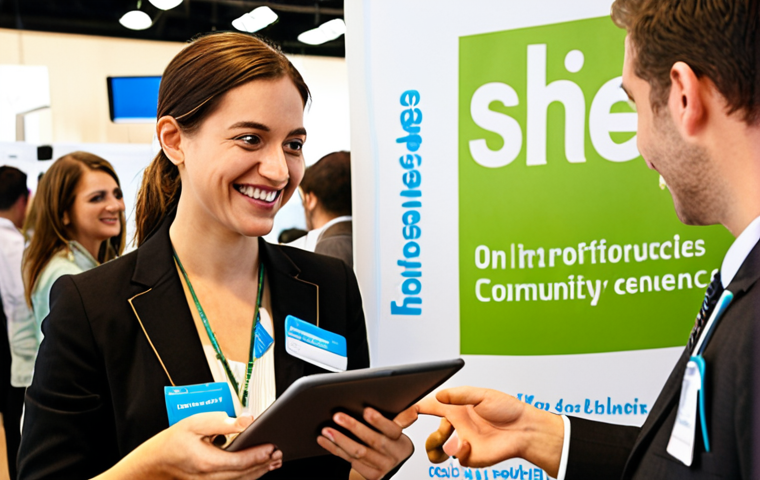
Many people feel stuck because they don’t realize how much of their existing skillset translates into green marketing. When my friend Sarah wanted to move from project management in construction to a green marketing role, she felt completely lost.
But after digging in, we discovered that her experience with managing budgets, timelines, and teams was incredibly relevant to planning and executing sustainable marketing campaigns.
It’s all about how you frame your experience!
1. Identifying Relevant Skills
* Take inventory of your current skills. Don’t just list the obvious ones, like “data analysis” or “communication.” Think deeply about the skills you’ve developed over time, such as problem-solving, strategic planning, and adaptability.
* Consider the unique challenges you’ve overcome in your current role. These experiences often demonstrate valuable skills like resilience, creativity, and leadership.
2. Tailoring Your Resume
* Once you’ve identified your transferable skills, it’s time to tailor your resume to highlight them. Use keywords from green marketing job descriptions to show how your skills align with the requirements of the role.
* Instead of simply listing your responsibilities, focus on your achievements and the impact you’ve made in your previous roles. Quantify your accomplishments whenever possible to demonstrate your value to potential employers.
Upskilling Strategically: Focus on What Matters
The green marketing landscape evolves rapidly. It’s not about knowing everything, but about being a quick learner and demonstrating a willingness to adapt.
I remember when John, a former sales executive, decided to make the jump. He was worried about his lack of formal marketing training. We focused on short, intensive courses on digital marketing and sustainability certifications.
He was able to immediately show potential employers that he was serious about the transition.
1. Short-Term Courses and Certifications
* Look into online courses or certifications focused on digital marketing, content marketing, or social media marketing. Platforms like Coursera, Udemy, and LinkedIn Learning offer a wide range of options.
* Consider certifications related to sustainability or environmental responsibility, such as the LEED Green Associate credential or a certificate in corporate social responsibility.
2. Building a Portfolio
* Create a portfolio of projects that showcase your green marketing skills. This could include sample blog posts, social media campaigns, or website landing pages focused on sustainable products or initiatives.
* If you don’t have any real-world experience, consider volunteering your skills to a local nonprofit or environmental organization. This will give you the opportunity to build your portfolio and gain valuable experience.
Networking Smart: Connecting with the Right People
Who you know can be just as important as what you know. Networking is key. When Lisa, who was a teacher before, was trying to break into the industry, she started attending industry conferences and joining online groups related to sustainability and marketing.
She connected with professionals who were already working in green marketing and learned about job opportunities and industry trends. It’s all about building genuine connections.
1. Online and Offline Networking
* Attend industry conferences, webinars, and workshops related to green marketing. This is a great way to meet professionals in the field, learn about new trends, and discover job opportunities.
* Join online communities and forums focused on sustainability and marketing. Engage in discussions, share your insights, and ask questions to build relationships with other professionals.
2. Leveraging LinkedIn
* Update your LinkedIn profile to reflect your interest in green marketing. Use keywords from green marketing job descriptions to optimize your profile for search.
* Connect with professionals who are working in green marketing and send them personalized messages introducing yourself and expressing your interest in their work.
Demonstrating Passion: Show You Care
Employers want to see that you’re genuinely passionate about sustainability. It’s not enough to just say you care; you need to demonstrate it through your actions.
I remember interviewing candidates and being struck by those who had volunteered for environmental causes or started their own sustainability initiatives.
That passion made all the difference.
1. Volunteer Experience
* Volunteer for a local environmental organization or participate in a sustainability initiative in your community. This shows that you’re committed to making a difference and gives you valuable experience to add to your resume.
* Consider starting your own sustainability project, such as a community garden or a recycling program. This demonstrates your initiative and leadership skills.
2. Personal Projects
* Share your personal sustainability efforts on social media or start a blog about your experiences. This shows that you’re passionate about green living and helps you build a personal brand.
* Create a portfolio of projects that showcase your green marketing skills, such as sample blog posts, social media campaigns, or website landing pages focused on sustainable products or initiatives.
Understanding the Green Marketing Landscape: Stay Updated
The field of green marketing is constantly evolving, so it’s essential to stay up-to-date on the latest trends and best practices. What worked last year might not work this year, so continuous learning is crucial.
I made the mistake of using outdated strategies in a pitch once, and it was a huge learning experience!
1. Industry Publications and Blogs
* Subscribe to industry publications and blogs that cover green marketing, sustainability, and corporate social responsibility. This will help you stay informed about the latest trends and best practices.
* Follow thought leaders in the field of green marketing on social media. This is a great way to learn about new ideas and get insights into the industry.
2. Analyzing Case Studies
* Research case studies of successful green marketing campaigns to learn from their strategies and tactics. This will give you a better understanding of what works and what doesn’t.
* Pay attention to the metrics used to measure the success of green marketing campaigns. This will help you understand how to track and evaluate your own efforts.
Salary Expectations: Know Your Worth
It’s important to have a realistic understanding of salary expectations in the green marketing field. I’ve seen people undersell themselves because they didn’t know what they were worth.
Do your research and know your value based on your skills, experience, and location.
1. Researching Salary Ranges
* Use online resources like Glassdoor, Salary.com, and Payscale to research salary ranges for green marketing positions in your area. * Talk to professionals who are already working in green marketing to get their insights on salary expectations.
2. Negotiating Your Salary
* Be prepared to negotiate your salary during the job offer process. Research the average salary for similar positions in your area and be confident in your worth.
* Don’t be afraid to ask for benefits, such as health insurance, paid time off, or professional development opportunities.
The Interview: Showcasing Your Knowledge and Enthusiasm
The interview is your chance to shine and show potential employers why you’re the right person for the job. It’s not just about answering questions; it’s about demonstrating your knowledge, enthusiasm, and passion for green marketing.
1. Preparing for Common Questions
* Be prepared to answer common interview questions about your skills, experience, and interest in green marketing. Practice your answers beforehand so you can deliver them confidently and concisely.
* Research the company and the role you’re applying for. This will help you tailor your answers to the specific requirements of the position.
2. Asking Insightful Questions
* Prepare a list of insightful questions to ask the interviewer. This shows that you’re engaged and interested in the company and the role. * Ask questions about the company’s sustainability initiatives, their approach to green marketing, and their expectations for the role.
Building Your Personal Brand: Establish Yourself as an Expert
Creating a strong personal brand can help you stand out from the competition and establish yourself as an expert in green marketing. It’s about showing the world what you’re passionate about and what you have to offer.
1. Content Creation
* Start a blog or podcast about green marketing, sustainability, or related topics. Share your insights, experiences, and knowledge with the world. * Create engaging content on social media that showcases your passion for sustainability and your expertise in green marketing.
2. Speaking Engagements
* Look for opportunities to speak at industry conferences, webinars, or workshops. This will help you build your credibility and reach a wider audience.
* Offer to give presentations on green marketing to local businesses or organizations. This is a great way to share your knowledge and promote your personal brand.
| Area | Key Considerations | Example Actions |
|---|---|---|
| Skills & Experience | Identifying transferable skills, Addressing skill gaps | Highlight project management skills; Take a short course in SEO. |
| Networking | Connecting with industry professionals, Building relationships | Attend a sustainability conference; Join a green marketing LinkedIn group. |
| Passion & Knowledge | Demonstrating genuine interest, Staying updated on trends | Volunteer for an environmental cause; Subscribe to a green marketing blog. |
| Salary | Researching salary expectations, Negotiating your worth | Use Glassdoor to research average salaries; Know your value and negotiate confidently. |
In Conclusion
Embarking on a career transition into green marketing is an adventure filled with opportunities. It’s about blending your existing skills with a passion for sustainability and a commitment to continuous learning. By leveraging your transferable skills, upskilling strategically, networking purposefully, demonstrating your passion, understanding the industry, and negotiating your worth, you can successfully carve out a fulfilling career in this impactful field. Embrace the journey, stay curious, and make a difference!
Useful Information
1. Green Marketing Associations: Joining organizations like the American Marketing Association (AMA) with a focus on sustainability can provide resources, networking, and educational opportunities.
2. Sustainability Conferences: Attending events like Sustainable Brands or GreenBiz forums can offer insights into the latest trends and best practices in the industry.
3. Online Green Business Directories: Use directories like Green Pages to find sustainable businesses to partner with or learn from.
4. Environmental Blogs & Publications: Subscribing to blogs like Green Marketing or Sustainable Brands can keep you updated on the latest news and trends.
5. LinkedIn Groups: Joining groups like “Sustainable Marketing Professionals” can connect you with industry peers and potential mentors.
Key Takeaways
Transitioning into green marketing requires a strategic approach that focuses on highlighting your transferable skills, gaining relevant knowledge, and demonstrating a genuine passion for sustainability. Networking and staying informed about industry trends are crucial for success. Don’t underestimate the value of your existing experiences—frame them in a way that resonates with the green marketing ethos. Always be ready to showcase your commitment to making a positive impact through your work.
Frequently Asked Questions (FAQ) 📖
Q: I’m coming from a completely unrelated field. Is it even possible for me to break into green marketing?
A: Absolutely! It’s definitely possible, but you’ll need to be strategic. Think about how your existing skills can translate to a marketing context.
For example, if you were in sales, highlight your ability to understand customer needs and communicate effectively. You’ll also need to fill the gaps with specific green marketing knowledge.
I’d suggest taking online courses or workshops focused on sustainability principles and green marketing strategies. Networking is key too; attend industry events or webinars to connect with professionals already working in the field.
My friend, who was a software engineer, actually volunteered for a local environmental nonprofit to gain hands-on experience and build her portfolio. Don’t underestimate the power of demonstrating your passion and commitment to sustainability!
Q: What are the most important skills I should focus on developing to land a job in green marketing?
A: Great question! Beyond the basic marketing fundamentals (like SEO, content creation, and social media marketing), you’ll need to develop a solid understanding of sustainability principles.
This includes things like life cycle assessment, circular economy models, and environmental regulations. Data analysis is also crucial; you need to be able to track and measure the environmental impact of marketing campaigns.
Storytelling is incredibly important, too. Consumers are increasingly savvy and want to see authentic commitment from brands. Being able to communicate the environmental and social benefits of a product or service in a compelling and credible way is a must.
Oh, and don’t forget about staying updated on the latest trends and innovations in sustainable business practices!
Q: How do I tailor my resume and cover letter to stand out when applying for green marketing positions?
A: This is where you really need to sell yourself! First, customize your resume and cover letter for each specific job you’re applying for. Highlight any experience, even volunteer work, that demonstrates your commitment to sustainability.
Quantify your achievements whenever possible. For example, instead of saying you “promoted sustainable practices,” say you “implemented a recycling program that reduced waste by 20%.” In your cover letter, be sure to showcase your knowledge of the company’s sustainability initiatives and explain why you’re passionate about their mission.
Use keywords from the job description throughout both your resume and cover letter. And most importantly, don’t be afraid to let your personality shine through!
Green marketing is often driven by passion, so make sure your enthusiasm for sustainability is evident. My friend included a personal project she had worked on – creating a zero-waste event – and it really caught the attention of the hiring manager.
📚 References
Wikipedia Encyclopedia