
The best sustainable marketing practicum combines a measurable business goal, verifiable sustainability claims, and a realistic budget. Choose a campaign format only after deciding what action you need to measure and what evidence supports every environmental message.
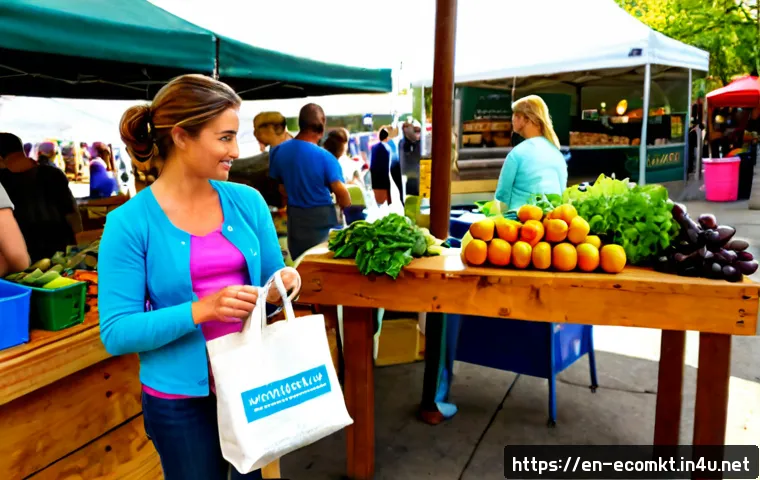
This approach gives students and small teams useful campaign experience while reducing the risk of vague “green” marketing. It also makes it easier to compare campaign analytics software, promotional suppliers, freelance support, and agency proposals on practical terms.
A strong project does not need a large budget, but it does need clear definitions, responsible data practices, and a reporting plan.
At a Glance
- Start with a measurable objective such as lead quality, event registrations, email engagement, or conversion rate.
- Use specific and supportable sustainability claims that are relevant to the product, service, or campaign.
- Budget for measurement and staff time, not only media, design, or promotional materials.
| Campaign Option | Learning Value | Measurement Difficulty | Budget Considerations | Greenwashing Risk |
|---|---|---|---|---|
| Digital content campaign | Strong for content planning, email engagement, and conversion tracking | Moderate; depends on clear tracking rules and consent-aware data collection | Creative work, media spend, campaign analytics software, staff time | Lower when claims link directly to documented product or service details |
| Local event campaign | Strong for registrations, lead conversations, and event operations | Moderate to high; attendance alone does not show lead quality | Venue, event vendor support, accessibility, materials, follow-up | Higher if event materials or waste claims are broad and undocumented |
| Product-promotion project | Useful for audience messaging, supplier review, and purchase-path testing | Moderate; define the customer action before launch | Production, promotional suppliers, packaging, transportation, media | Higher when “eco-friendly” is used without explaining the relevant benefit |
What a Strong Sustainable Marketing Practicum Should Deliver
A measurable business objective, not just an environmental theme
A sustainable marketing practicum should solve a real marketing problem. “Raise awareness about sustainability” may be a useful background idea, but it is not enough to guide campaign decisions. A clearer objective could focus on event registrations, email engagement, lead quality, or conversion rate. These objectives give participants something concrete to test, report, and improve.
For example, a team may create a digital campaign that encourages a defined audience to register for a local product demonstration. The sustainability element should relate to the actual offer and should not replace the campaign objective. If the message cannot explain why the environmental point matters to the audience, it may not belong in the campaign.
Evidence-based claims and a clear audience benefit
Environmental claims should be specific, supportable, and relevant. Avoid using broad labels such as “green,” “clean,” or “eco-friendly” as a shortcut. Instead, state what the campaign can actually explain. A supplier document, product detail, packaging description, or service process may provide useful evidence, but suitability still requires review.
Think about the customer benefit alongside the environmental message. A durable item may offer reuse potential. A digital alternative may reduce the need for printed materials. A local event may make direct conversations easier. None of these points automatically proves a full environmental advantage, so describe the relevant feature without making a larger claim than the evidence supports.
The three outcomes to define before the project starts
Set three outcomes before selecting tools or spending on media. First, define the business outcome: what action should the audience take? Second, define the learning outcome: what capability should the participant demonstrate, such as vendor evaluation, campaign reporting, or claim review? Third, define the reporting outcome: what will the final dashboard or presentation show?
This structure is especially useful in sustainable marketing training because it separates campaign performance from assumptions. A project can produce a valuable learning result even if the campaign does not generate the hoped-for response, provided the reporting explains what was tested and what should be changed next.
Compare Campaign Formats, Tools, and Budget Priorities
Digital content campaign versus local event or product-promotion project
A digital content campaign is usually a practical choice when the team wants to learn message testing, email engagement, landing-page actions, or campaign analytics. It can also be easier to revise creative work during the practicum. However, the project still needs clear consent practices and consistent reporting definitions.
A local event can create direct audience interaction and measurable registrations. It may also require more coordination across venue arrangements, accessibility, materials, staff time, and follow-up. A product-promotion project is useful when participants need to compare eco-conscious promotional suppliers, packaging choices, and customer-facing claims. The trade-off is that materials can involve durability, recyclability, transportation, packaging, and reuse considerations at the same time.
In-house execution, freelancer support, or agency assistance
In-house execution gives participants direct experience and control over decisions. It works well when the scope is focused and internal staff have enough time to produce content, manage approvals, and review reporting. Its hidden cost is often staff time.
Freelance specialists can fill a specific gap, such as design, copywriting, event support, analytics setup, or paid media management. This option can be appropriate when the team knows exactly what work needs outside expertise. A clear brief is essential because a freelancer’s role may not include strategy, supplier verification, or ongoing reporting unless those items are included in the scope.
Agency assistance may suit a broader pilot program that needs coordinated creative work, media planning, reporting, and project management. Compare the scope carefully. A proposal can appear comprehensive while excluding measurement setup, materials documentation review, accessibility work, or campaign revisions.
Cost categories: creative work, media, materials, measurement, and staff time
Build the practicum budget by category rather than treating it as one media-spend number. Essential categories commonly include creative production, media spend, measurement, staff time, accessibility, and contingency. Depending on the project, costs may also include printing, event support, promotional materials, or an analytics platform.
Optional spending should be reviewed against its learning value. A polished promotional item may look attractive, but it may not improve the campaign if the team has no tracking plan. Likewise, advanced campaign analytics software may be unnecessary for a focused project if the required reporting can be completed with simpler tools and clear definitions.
Build the Project Step by Step Without Overclaiming
Choose a focused audience and campaign problem
Start with one audience and one campaign problem. A broad audience creates vague messaging and weak reporting. For example, a local business may focus on previous email subscribers who have shown interest in a specific service. A student project may focus on people likely to register for a campus event. An internal team may focus on a defined customer segment for a pilot program.
Then write the campaign question in plain language: “What message and offer are we testing, for whom, and what action will show engagement?” This question keeps the practicum manageable and gives every tool, supplier, and service provider a clear purpose.
Write claims that can be checked and explained
Use a simple claim-review process before publishing campaign content:
- Specific: Does the claim say what feature, material, process, or benefit is being discussed?
- Supportable: Can the team point to documentation or a reliable explanation?
- Relevant: Does the claim relate directly to the promoted product, service, or campaign?
- Understandable: Would an audience member know what the claim means without guessing?
- Limited: Does the wording avoid implying a wider environmental benefit than the evidence shows?
If a claim cannot pass these checks, revise it or leave it out. This is not a reason to avoid sustainability messaging altogether. It is a reason to make the message more useful and less likely to mislead.
Set tracking rules, consent practices, and reporting metrics
Digital measurement requires consent-aware data collection and clear reporting definitions. Before launch, decide what counts as a lead, registration, engaged email interaction, or conversion. Make sure everyone involved in the practicum uses the same definitions.
A simple reporting view can include the campaign objective, audience, channels used, total activity, defined customer actions, and observations about message performance. Do not treat impressions as the only success measure. Impressions may show reach, but they do not automatically show whether the campaign generated useful interest or customer action.

Common Mistakes in Eco-Conscious Campaign Work
Using broad terms such as “green” or “eco-friendly” without context
Broad language may sound positive, but it can make a campaign harder to trust. A claim should explain the relevant point rather than rely on an overall label. If documentation is incomplete, the safest course is to avoid an expansive claim and use language that reflects only what can be checked.
Choosing promotional items based only on unit price
A low unit price does not answer important questions about durability, packaging, transportation, recyclability, or reuse potential. It also does not show whether recipients will use the item. Compare promotional suppliers by the details they can provide, not just by the quoted item price or visual appearance.
For an eco-conscious promotional supplier, ask what documentation is available and what assumptions are being made. Consider whether a smaller quantity, a more durable item, a digital alternative, or no giveaway at all would better fit the campaign objective.
Measuring impressions while ignoring leads, engagement quality, or customer action
Awareness may be part of a campaign, but a practicum should normally go further. Review whether the campaign generated registrations, meaningful email engagement, qualified leads, or conversions based on the definitions set before launch. If the result is unclear, that finding can still improve the next test.
Adapt the Practicum to Your Situation
For marketing students building a portfolio project
Keep the scope narrow enough to document every decision. A portfolio-ready project can show the campaign objective, audience choice, claim-review process, creative samples, tracking plan, and final report. The goal is not to claim a guaranteed return. The goal is to show sound marketing judgment and responsible sustainability communication.
For small businesses testing a local campaign
Small businesses may benefit from a limited pilot with one audience, one offer, and one primary action. A local event, email campaign, or focused product-promotion effort can be practical if the team can manage follow-up. Set aside time for reporting, because customer conversations and lead quality can be as important as reach.
For internal teams preparing a vendor brief or pilot program
Internal teams can use the practicum as a structured vendor-selection exercise. Prepare a brief that identifies the objective, target audience, desired deliverables, reporting requirements, claim-review expectations, accessibility needs, and available budget categories. This helps agencies, freelancers, printers, event vendors, and analytics providers respond to the same decision criteria.
Selection Criteria and Comparison Summary
Before approving a marketing service, software plan, or promotional supplier, compare proposals by scope, reporting, materials documentation, and total cost. Check whether the proposal explains who is responsible for creative work, measurement setup, consent-aware tracking, revisions, accessibility, and final reporting. Ask whether sustainability-related language is supported by documentation rather than broad labels.
- Does the scope directly support the campaign objective?
- Are reporting definitions clear before the work begins?
- Can the supplier explain relevant materials, packaging, transportation, durability, or reuse considerations?
- Does the total cost include staff time, measurement, accessibility, and contingency?
- Is the claim language specific enough to be checked and explained?
For official features, documentation, and detailed conditions, review the relevant provider or supplier page before making a decision.
Closing Thoughts
A sustainable marketing practicum is most useful when it teaches participants how to make responsible choices under real campaign constraints. Focus on a measurable customer action, claims that can be supported, and a budget that includes measurement and staff time. Whether the work is completed in-house or with external marketing support, the final report should show what was tested, how it was measured, and what should be reviewed next.
Useful Things to Know
1. A sustainability theme does not replace a business objective.
2. Promotional materials involve trade-offs, so one feature alone may not tell the full story.
3. Clear reporting definitions help teams compare results without overstating them.
4. External support can include freelancers, agencies, printers, event vendors, and analytics platforms.
5. A smaller, well-measured pilot can provide more practical learning than a broad campaign with unclear outcomes.
Important Considerations
Exact practicum requirements, grading criteria, local regulations, available budgets, and organizational sustainability standards may vary. The suitability of a material, supplier, platform, or carbon-related claim cannot be confirmed without reviewing documentation and applicable local requirements. Actual environmental impact and campaign return on investment should not be assumed before measurement.
Frequently Asked Questions
Q1. How much should a sustainable marketing practicum cost?
A1. The cost depends on the campaign format, available internal resources, required tools, and whether outside support is needed. Build the budget around essential items first: creative work, media, measurement, staff time, accessibility, and contingency. Treat premium software, outsourced services, and promotional materials as choices that should earn their place through clear learning or campaign value.
Q2. Is it better to run a sustainable campaign in-house or hire a freelancer or agency?
A2. In-house work can provide direct learning and control when the scope is manageable. A freelancer may be useful for a defined specialist task, while an agency may fit a broader project requiring coordinated strategy, creative work, media, and reporting. Compare proposals by scope, reporting, materials documentation, responsibilities, and total cost rather than choosing only by headline price.
Q3. How can a marketing practicum avoid greenwashing?
A3. Use claims that are specific, supportable, and relevant to what is being promoted. Avoid broad terms such as “green” or “eco-friendly” when the campaign cannot explain what they mean. Review available documentation, describe only the relevant feature or benefit, and avoid implying environmental results that have not been verified.